It sounds like a poem title. I imagine the poem as slightly sassy, clever, obviously very funny. Alas, this post is not a poem, and I am (as ever) entirely in earnest. I’m just here to recommend books.
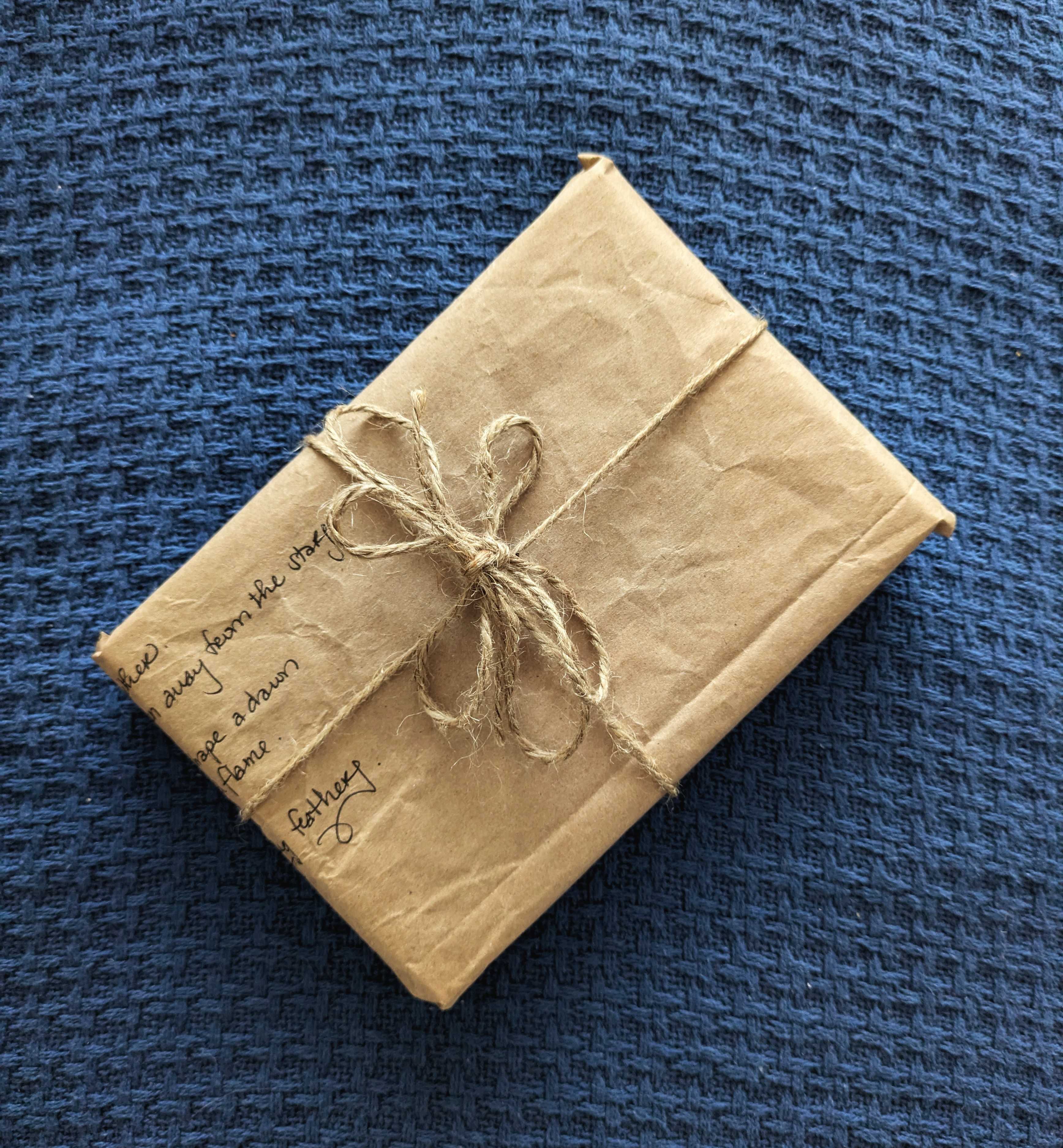
I could make you a list of things I loved about being a librarian. It starts with “the people,” ends with “the people,” and somewhere in the middle is “recommending books (to people).” Library patrons who asked me to recommend books1 initiated the kind of conversations I love most: thoughtful, challenging, worthy of care.
I love to read. (No one is surprised.) I read plenty as a librarian. More importantly to my ability to recommend, I’d read plenty before that. Until I was in probably my mid-twenties, I spent a huge portion of my free time reading books. I read passionately, with deep and sustained attention. After my mid-20s, I didn’t quit reading—but I never read quite like that again. Until I left the library this summer.
My decision to leave involved a lot of careful discernment. Because I didn’t leave for another immediate professional role, that discernment extended into asking myself what I needed from my sabbatical. Answers took the imperative form. One was “make art.” Another was “read books.” I wasn’t sure whether I had the focus to pull off that last. But the directive was clear, so I committed to trying. Friends, I read so many books.2
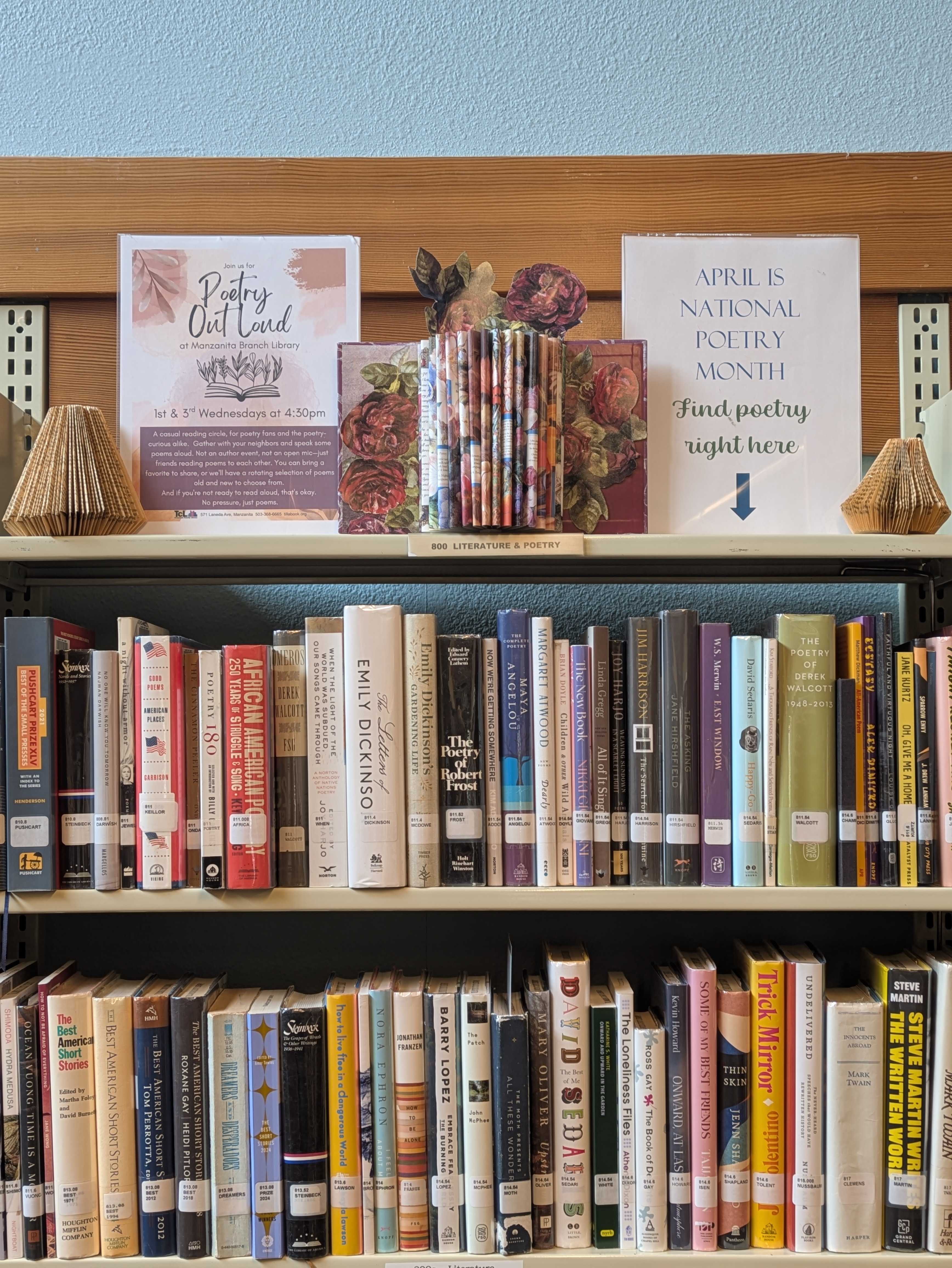
I read familiar and much-beloved personal classics.3 I read books adjacent to my formal education. I read books I’d been putting off. Books I liked ten years ago and wanted to re-evaluate. Books recommended by friends. Books recommended by bookstore newsletters. Books I was skeptical of. I read great books. Not-great books. Really old books4. Really new ones.
I have read books and thought about books practically non-stop since July. And yet my outlets for talking about books have changed dramatically. Friends and neighbors have continued to ask for periodic recommendations, and I continue to enthusiastically give (and receive) them. Every now and then I get to do that from our cozy and inviting bookstore in Manzanita. But I no longer have the dedicated 40 hours per week that you could potentially ask me about books, or the more general outlet of my “Your Librarians Recommend” display.
Those things are fine to leave behind. Also, I miss them. Also, I have a blog.5 So I hope you will forgive me this brief relapse, and perhaps find something new (or old) and interesting to read.
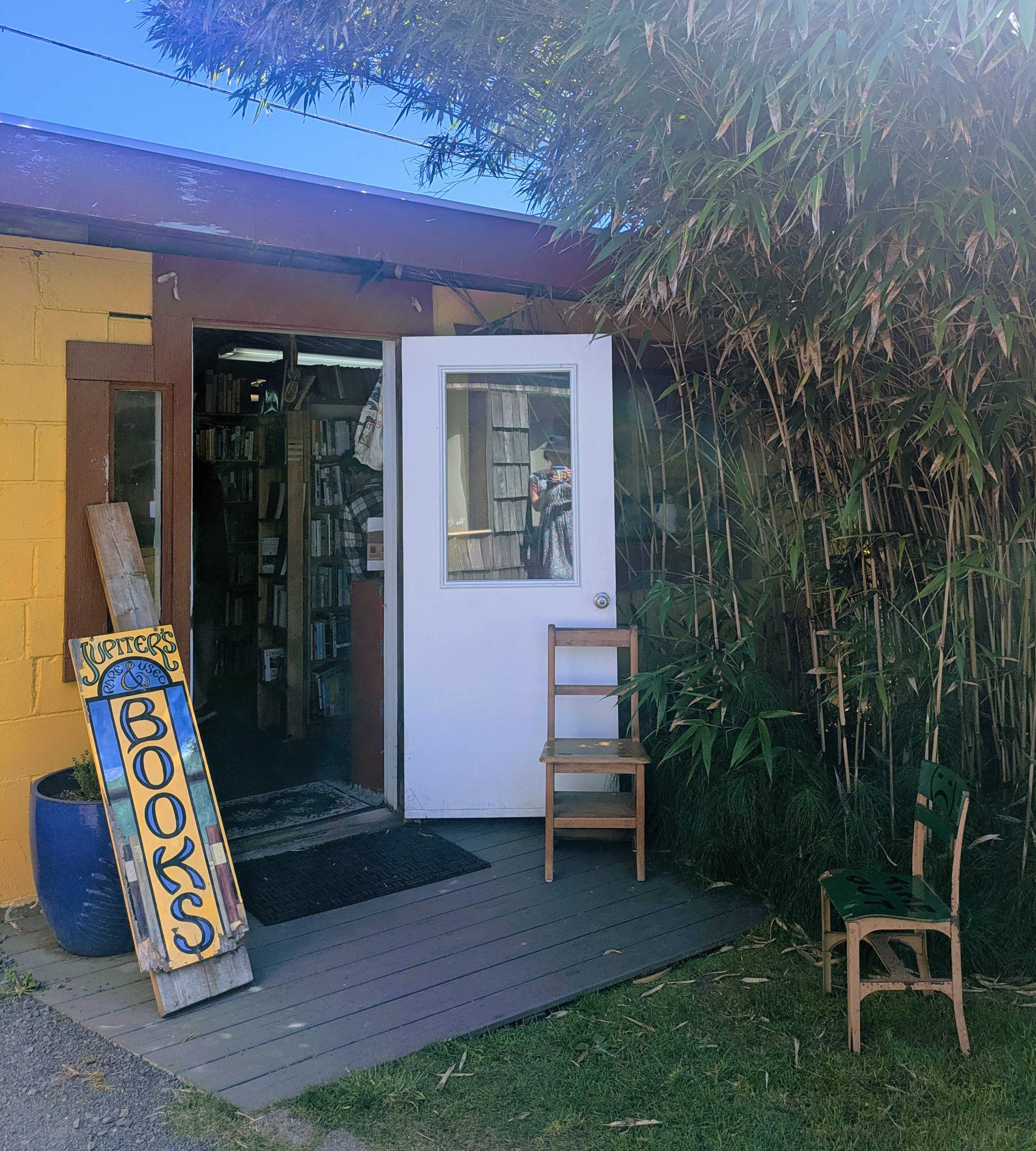
Sabbatical Superlatives: A Best-Of Booklist You Won’t Find Anywhere Else6
I was going to try to pin down my Top 3, or Top 10. I learned various exercises for listing from an extremely 1990s book7 I devoured at the age of 16, and I still find them clarifying. But trying to define “top” across so many categories and genres defeated me. I made up some whimsical superlatives instead.
Best Random Bookstore Find
The Sea Road
Margaret Elphinstone, 2000
It’s the cover that drew me: white background; a clinker-built ship’s prow the only image. I spotted it biding its time on a fiction shelf, looking plain and mysterious between colorful new novels.
I assumed Vikings. In fact it’s about a historical Icelandic woman who sailed to Greenland and North America a thousand years ago. The plot never quits, the characters feel distinctly real, and the story-within-a-story is unusually delightful. Even more remarkable: Elphinstone develops an emotional and mental world that feels like another time—rather than unwittingly imposing modern thought on ancient people, which is (understandably) how historical fiction tends to read.
For all its action, this is a contemplative book. It carries a feeling of gentle and precise balance. For that, as much as the above, I’ll be buying a copy. If you happen to live in Tillamook County, Oregon, Cloud & Leaf Bookstore often carries this book. I also know that our library can borrow a copy for you from another library. (Ask them for a Materials Request.)
Least Depressing Book About Depression
Something in the Woods Loves You
Jarod K. Anderson, 2024
It’s not only the least depressing, it’s the most beautiful. Anderson is a poet, and his prose gives in to that, gorgeously. There’s some tough stuff in this book—suicidal ideation, in particular—discussed with a peculiar combination of pragmatism and a numinous curiosity.
It’s about nature as much as it’s about mental health. Stories of interactions with herons, opossums, snakes, raccoons, and squirrels are quietly compelling. And it’s about culture: Anderson explores tropes of rugged individualism, violence, and masculinity with clarity and compassion.
I’m wary of the public confessional—and this is not that. I’m wary of anything that feels “inspirational”—and this is that, and it’s…well, inspiring. I already know I’m going to read it again.
Most Rewarding Infinite Re-Read
Sailing to Sarantium
Guy Gavriel Kay, 1998
I was 15 or 16 when I first read this, around the time it came out. I’ve re-read it a dozen times since. (Same copy, ultra-90s cover, repaired and repaired and repaired again just today). I’m not the same person, so the book doesn’t read the same. But I’m still weeping at its beauty, still arguing with its tropes, still loving the way it makes me think about art, impermanence, and what makes a good life.
Kay at his best is a master of fantasy/historical fiction, and this novel is (my mom’s gonna fight me on this one) his best.
Scariest Horror Story That Is Somehow Not Fiction
Into the Woodchipper: A Whistleblower’s Account of How the Trump Administration Shredded USAID
Nicholas Enrich, 2026
This one easily holds the record for number of times I said “What the actual fuck?” out loud while reading. Ever, I’m pretty sure. (It had competition for that, even if we stick to just my sabbatical list, because I also read Neige Sinno’s Sad Tiger, which: what the fuck?)
It’s a detailed, harrowing account of the abrupt dismemberment of the United States Agency for International Development, beginning in January 2025. Enrich—head of Global Health in the last days of USAID—writes with almost staid restraint and resolute non-partisanship, loyal to his training as a civil servant. In spite of that (because of it?), his narrative is legitimately gripping. I stayed up late two nights in a row to finish.
What I’m doing here is already book recommendations, I know. But let me be explicit about this one: please read it if you can.
Most Hyper-Local Joy Per Page
A Rare Botanical Legacy: The Contributions of Ruby & Arthur Van Devanter
Del Norte County Historical Society, ed. Rick Bennet & Susan Calla, with David Rains Wallace, 2009
If you know Del Norte County, California, you are a lucky critter. A friend in town recommended this book because we have Del Norte in common. He then lent me his copy because a) it’s obscure, and b) he’s a thoughtful guy.
The entire book is an invitation to engage both slowly and deeply. I spent a rapt evening paging quietly through the essays, old photographs, and original botanical paintings.
It’s a special volume—to me, because it’s by, of, and about a locality I feel in my breath and bones. Also because it tells the story of people whose names I’ve known all my life and whose history I have not. More broadly, it’s special because it’s so clearly a collective labor of love–and because that love and labor made a uniquely beautiful art-book.
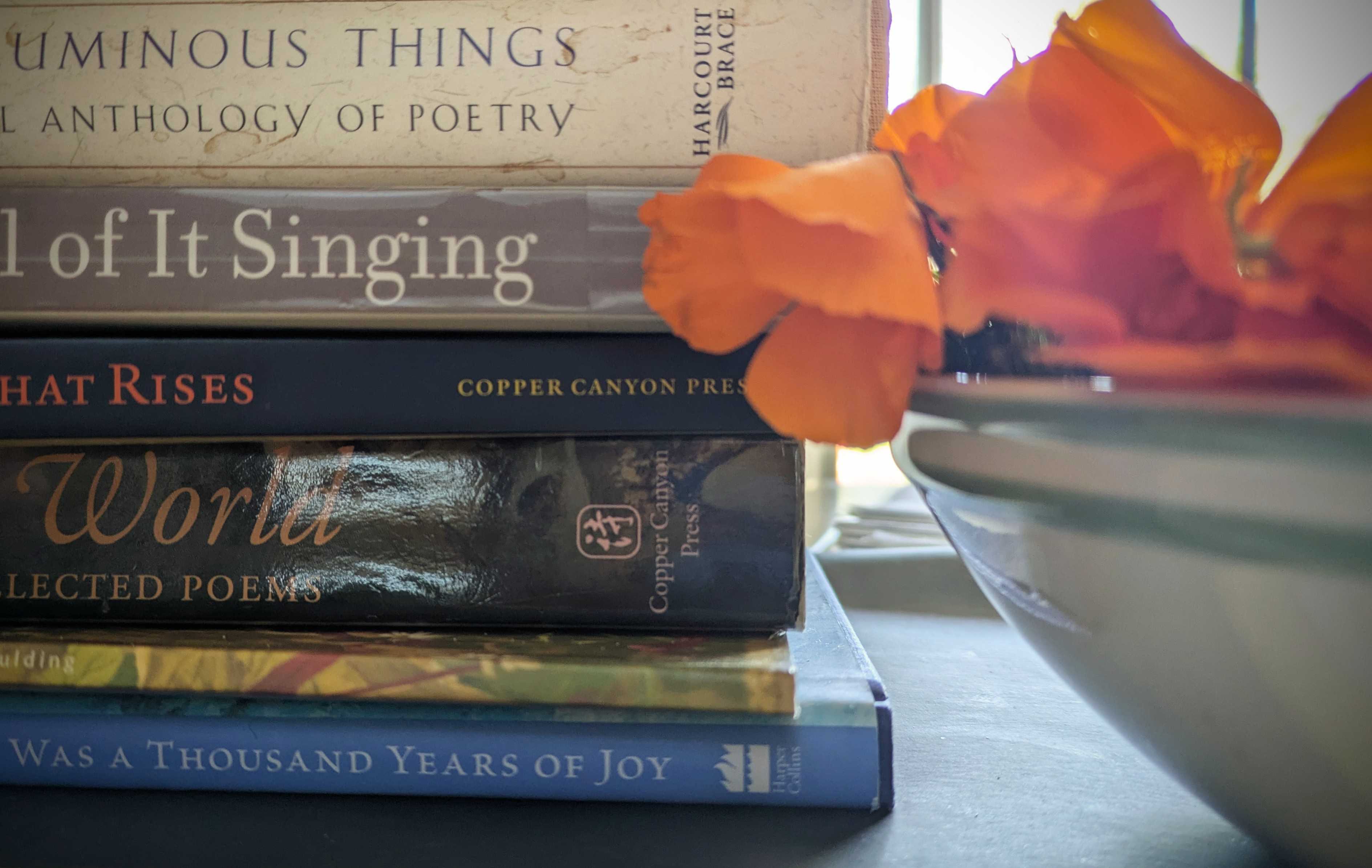
A Shameless Plug for Libraries
Do you have a public library? Please use it. Even if you tend to buy your books, please use it. Libraries offer free and reliable information, a welcoming space, and community—and you don’t have to buy anything to use them.8 You do need to show up, though, or people who measure worth only by numbers will close your library.
You can meet up with a friend, smell the new books, find out about community events. You can read a story to your small one, use the wifi, or ask for help finding information about just about anything. You can do your homework. You can join a knitting group, a poetry group, a class on local mushrooms. You can bring your own book and read without talking to anyone. You can play games on your phone by yourself, or board games with a neighbor. You can learn a language. Search for a job. Do nothing at all. Public libraries try hard to be places where everybody belongs.
Please also support your local librarians. Don’t know what that might mean? Ask them! For example, this criminal bullshit is going on at a US public library right now, and patrons are in a strong position to pressure city management to do the right thing.
Public librarians all over the US deal with low pay, unreliable schedules, and disrespect from the people who control their labor. That’s not universal, but it’s painfully common. Some of your librarians are degreed professionals, some are paraprofessionals (that was me), and the vast majority come to work because they believe in free information and public service. If you also believe in what they do, please support them so they can continue supporting you.
How can you help? Find out what your library board is talking about. Go to their meetings. Know your county or city officials who oversee the library. Pay attention to whether they are elected or appointed, and by whom. Know your local non-profit groups, who often partner with local governments to support library buildings or programming. Find out if your library staff are unionized, and ask how you can support union efforts to win living wages and solid benefits for all.9 Talk to your librarians. Ask them to recommend a book while you’re at it.
- You know who you are and I love you. ↩︎
- And magazine articles, and long-form essays, and poems… ↩︎
- Including whole series! When was the last time I did that?! ↩︎
- Oldest book: Medical Education in the United States and Canada, 1910. So: old, but not, like The Iliad. (I also read The Iliad, but the translation is less than 10 years old, and that’s the pub date. This has been a footnote to a footnote, a new experience for me.) ↩︎
- Still calling it a blog. Or Proseletter, according to my site’s un-optimized taxonomy. ↩︎
- If you do, please introduce me to the author. Please? We may be soulmates. ↩︎
- Ask me sometime. ↩︎
- Exceptions apply; some libraries have membership fees. Those exceptions are contrary to what I think libraries ought to stand for. You shouldn’t be a customer at a library. You are a patron. ↩︎
- Hey, Tillamook County! Your library staff are union. Associated Federal, State, County, & Municipal Employees (AFSCME) Local 2734. ↩︎

